
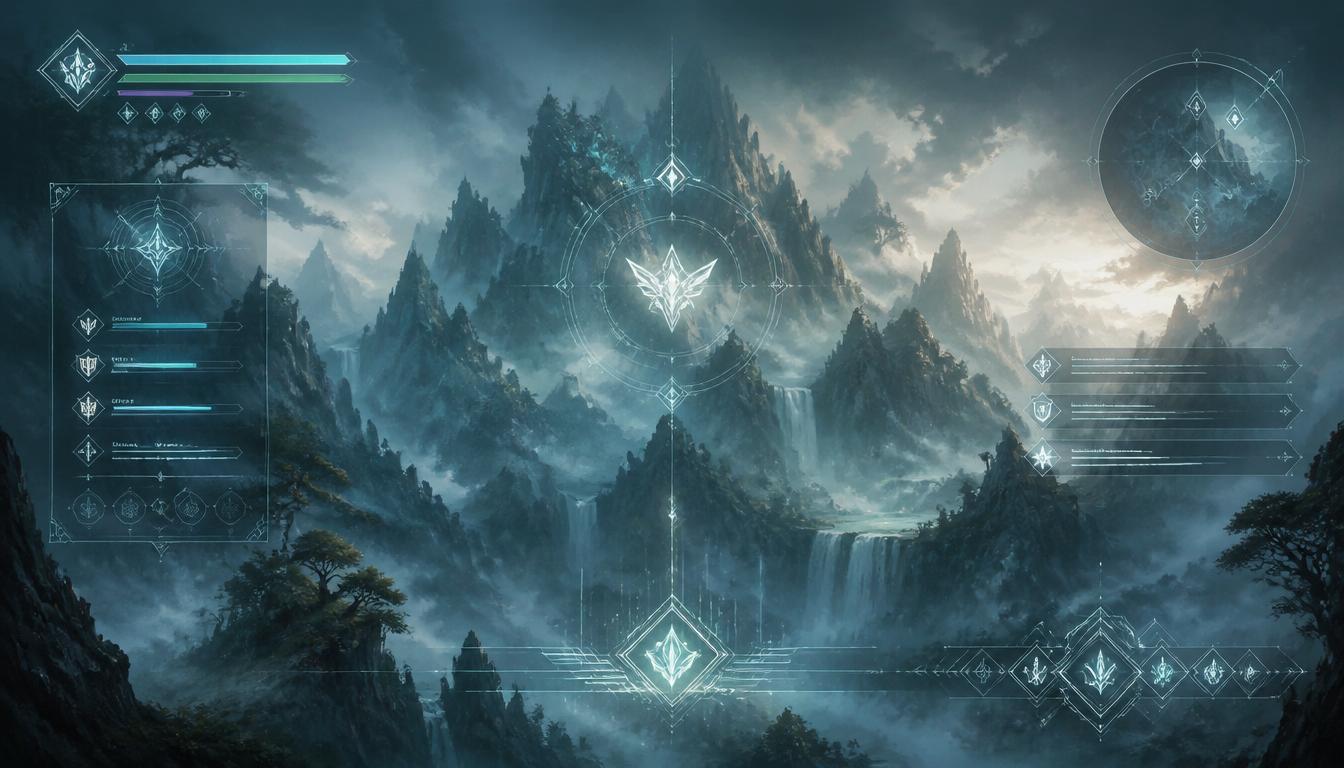
If you have ever wished a fantasy novel showed exactly how the hero grows stronger, LitRPG is the genre for you. Instead of vague hand-waving about training montages, the characters earn experience, unlock skills, and make choices that are visible to the reader as well as the world.
LitRPG meaning: the simple definition
LitRPG is short for Literary Role-Playing Game. It is a subgenre of fantasy and science fiction where role-playing game mechanics are an explicit part of the story. Characters see numbers, level up, accept quests, and pick classes the same way a player would in a video game or tabletop RPG.
The key difference from a regular fantasy novel is transparency. A traditional hero might become a better swordsman through unseen practice. A LitRPG hero improves [Sword Mastery] from level 4 to level 5, and the reader knows exactly what that unlocks.
What makes a story LitRPG?
Not every book with a magic system is LitRPG. For a story to fit the genre, it usually has several of these elements:
- A visible progression system (levels, ranks, tiers, or grades).
- Skills, spells, or abilities that characters unlock and improve over time.
- Character classes, builds, or specialisations that shape strategy.
- Quests, dungeons, or challenges that reward tangible upgrades.
- Stats or attributes that directly affect combat, crafting, and survival.
- A world that explains its rules clearly, even if those rules are unfair.
LitRPG vs GameLit: what's the difference?
LitRPG is technically a subgenre of GameLit, which is any fiction with game-like elements. GameLit can be subtle: a chess match, a deadly tournament, or a virtual world that never shows a stat sheet. LitRPG is more specific. It foregrounds the crunchy numbers and the satisfaction of progression.
A useful rule of thumb: if you can imagine a character sheet appearing on the page, it is probably LitRPG. If the game is only a metaphor or framing device, it is probably GameLit.
Popular LitRPG subgenres
The genre has grown far beyond its portal-fantasy origins. Here are the most common flavours readers look for today.
Portal / Isekai LitRPG
A modern character is transported into a game-like world, levels up, and must learn the rules to survive. This is the most common entry point for new readers.
Dungeon Core
The story is told from the perspective of a sentient dungeon that builds traps, monsters, and rewards to grow stronger and fend off invaders.
Cultivation / Wuxia Systems
Progression is framed through qi, martial arts ranks, sects, and spiritual realms. It blends Eastern fantasy traditions with RPG-style stat gains.
Apocalypse / System Apocalypse
Earth is transformed by a global System. Survivors gain classes, skills, and dungeons overnight, often forcing society to rebuild around the new rules.
Base-Building & Kingdom-Building
The protagonist establishes a village, guild, empire, or outpost. Success is measured in territory, resources, population, and defensive upgrades.
NPC / Townsfolk Perspectives
Instead of following the chosen hero, these stories show what it is like to live inside a world where adventurers have glowing numbers over their heads.
Why do readers love LitRPG?
LitRPG turns growth into a visible promise. Every chapter gives the reader a small hit of progress: a new skill, a stat bump, a completed quest. That mirrors the reward loop of games, but it is delivered through prose, character, and world-building.
The genre also loves an underdog. Because the system is transparent, a clever hero can win with a weird build, a hidden interaction, or a rule nobody else noticed. Strategy matters as much as swordplay.
Where to start with LitRPG
The best starting point depends on your taste. If you want large-scale world-building, try The Land by Aleron Kong. If you want dungeon-crawling comedy, try Dungeon Crawler Carl by Matt Dinniman. For a web-serial epic, read The Wandering Inn by pirateaba. For more recommendations, visit our Recommendations page.
Start with The Amatherean Tales
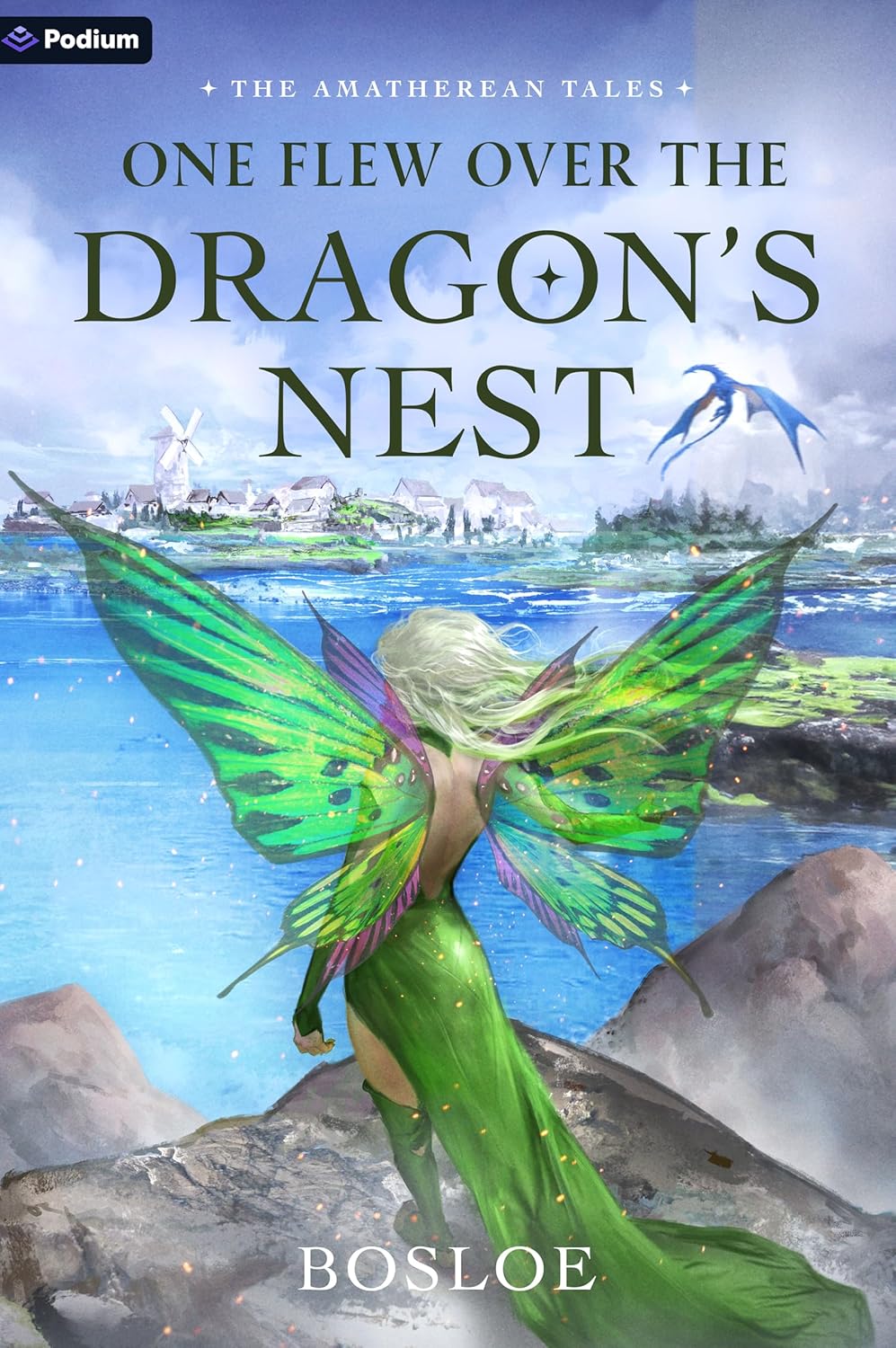
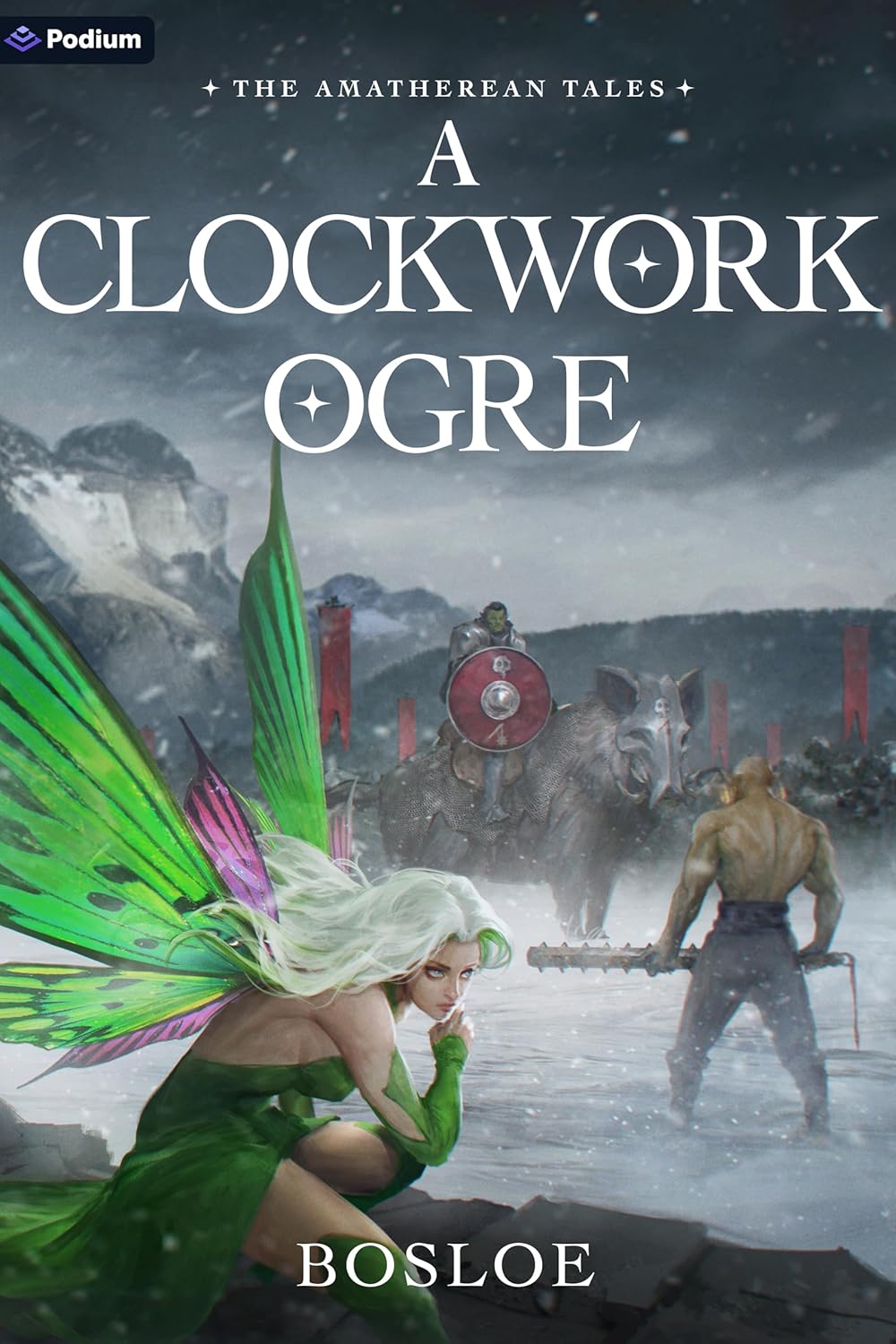
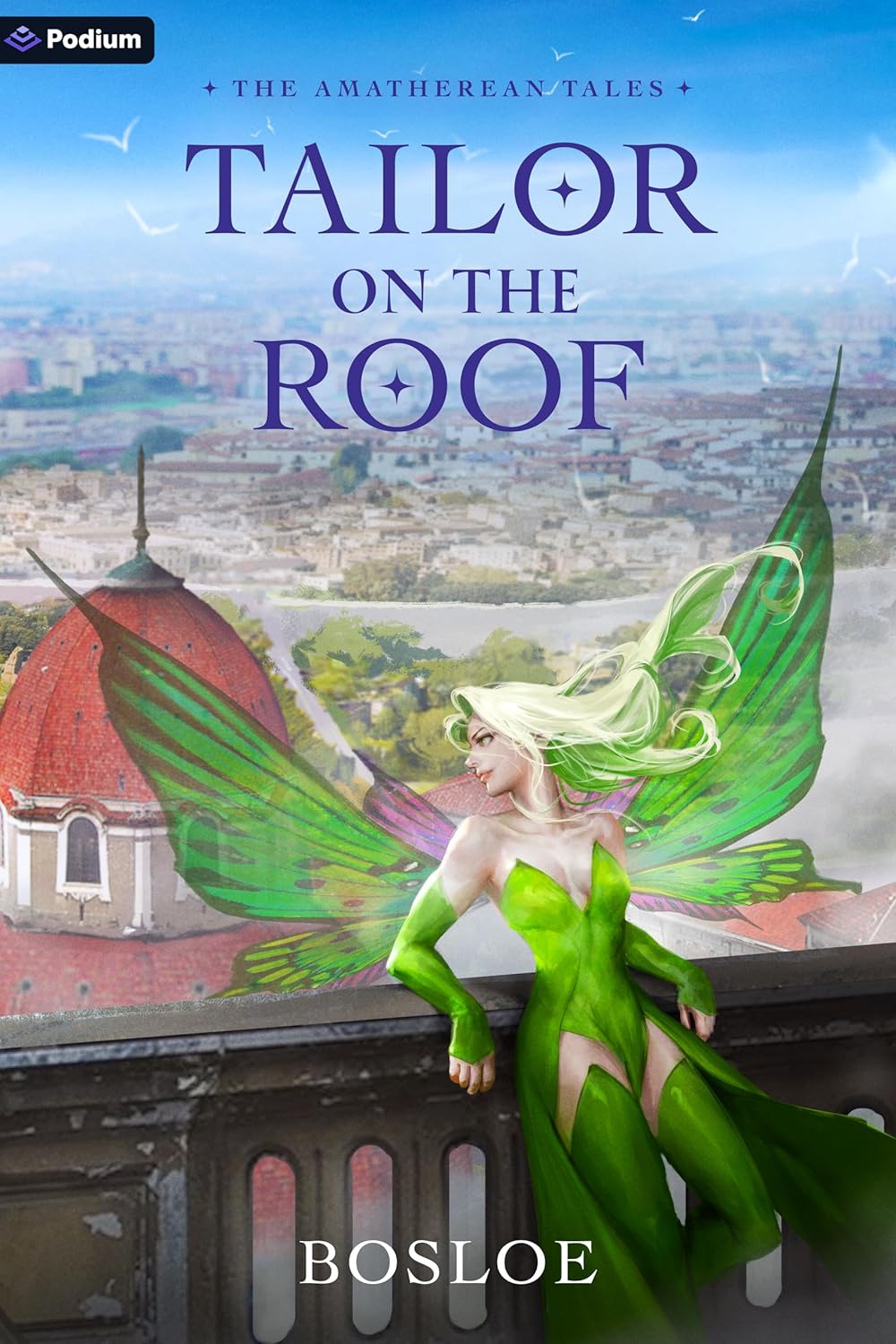
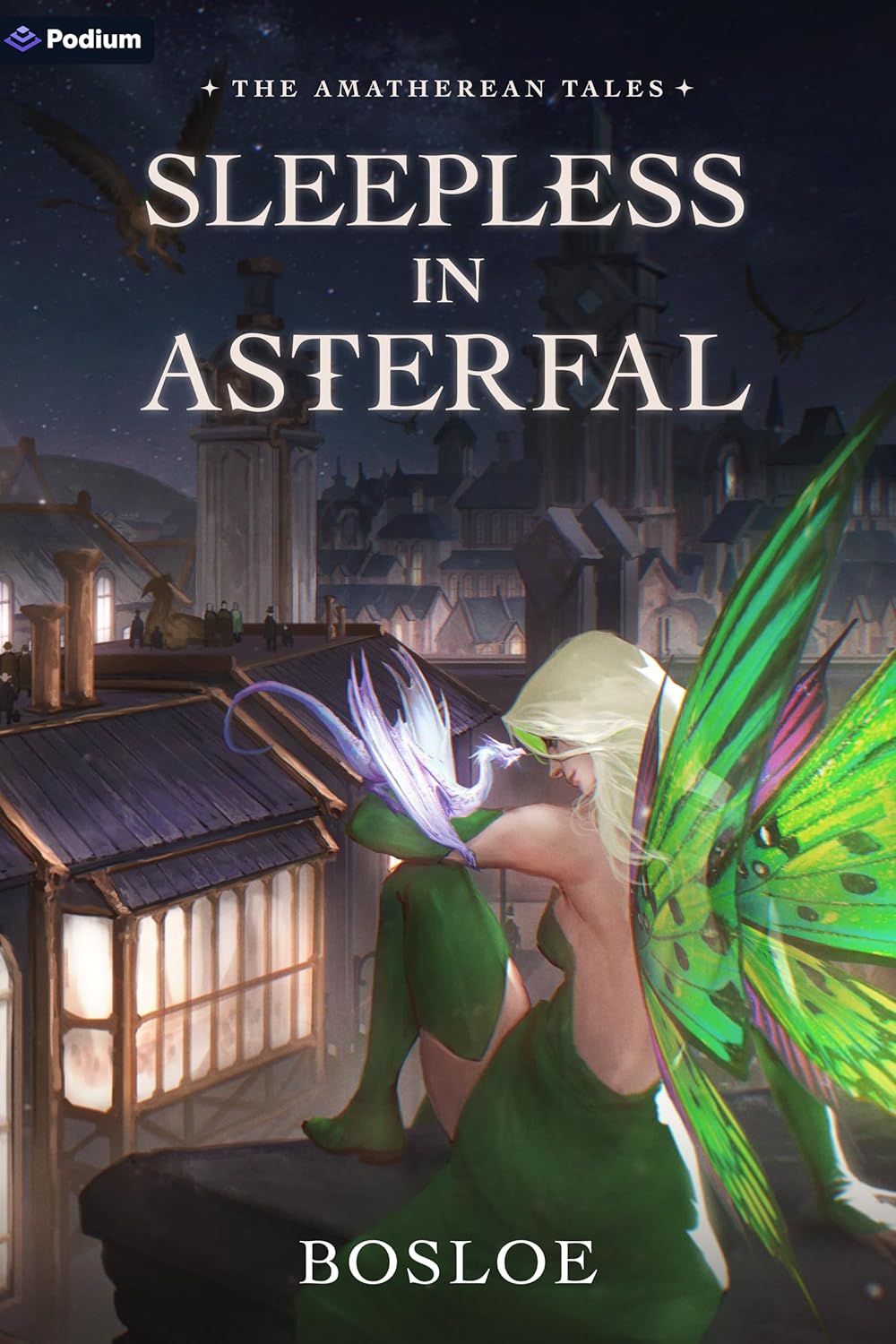
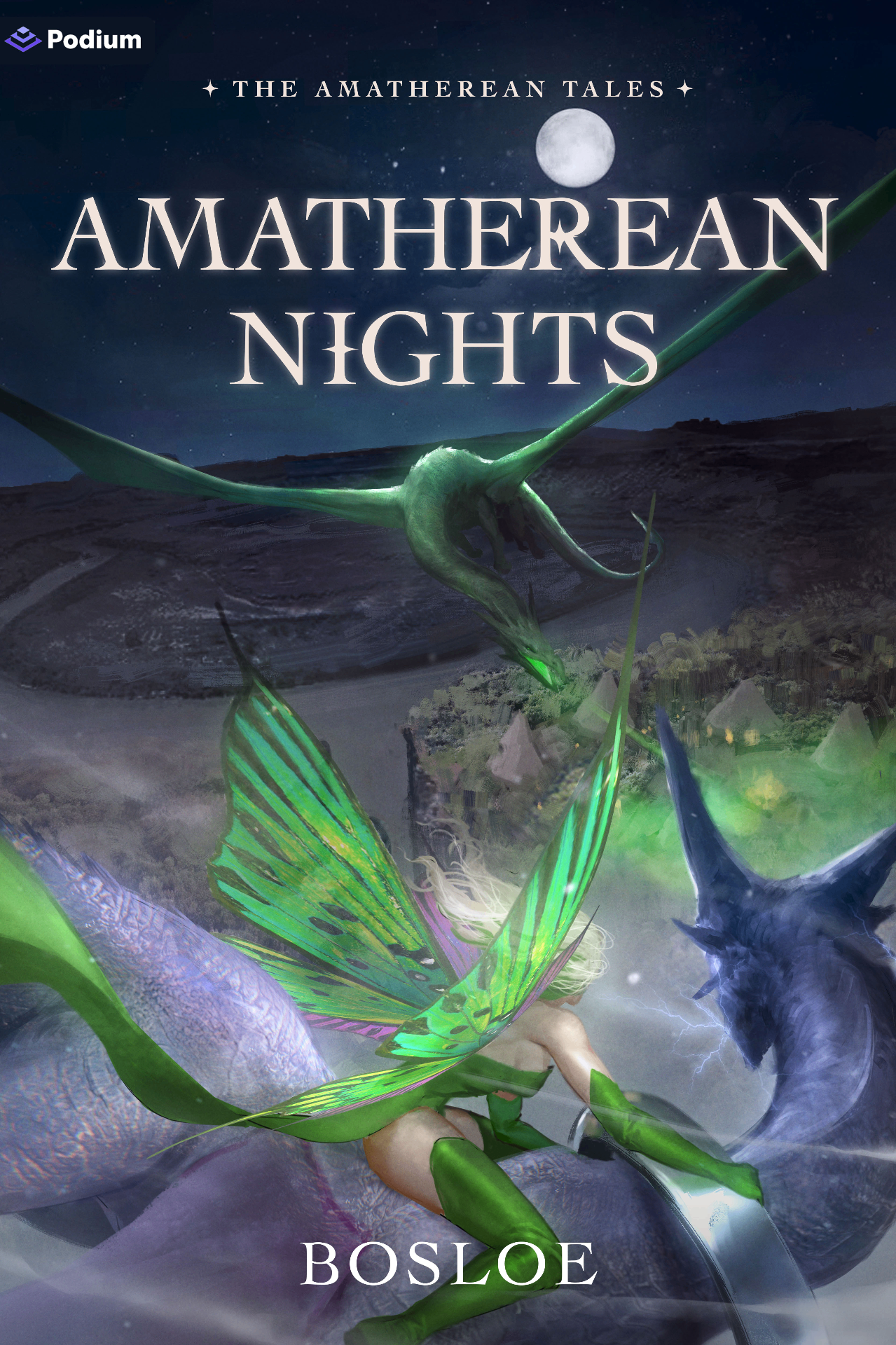
If you want a British-flavoured portal fantasy where a sharp-tongued fae assassin discovers a System that is older than the kingdom she is trying to save, start with One Flew Over the Dragon's Nest. The series blends humour, consequences, and a progression system that rewards the characters you actually care about.
Frequently asked questions
What does LitRPG mean?
LitRPG stands for Literary Role-Playing Game. It is a fiction genre where characters experience game-like mechanics, such as experience points, character classes, skills, inventory, and quests, as real forces inside the story.
Is LitRPG the same as GameLit?
Not exactly. LitRPG is a subset of GameLit (game literature) that foregrounds crunchy stats, progression, and explicit systems. GameLit is broader: it includes any fiction with game-like elements, even when the rules are only loosely defined.
Do you need to play RPGs to enjoy LitRPG?
No. If you like fantasy, underdog heroes, or satisfying progression, LitRPG is easy to pick up. The game language simply makes the hero's growth visible and concrete.
What makes a good LitRPG book?
Strong characters first, clever systems second. The best LitRPG uses stats and skills to raise stakes, not replace tension. A good book also lets the reader feel the reward of leveling up.
Where should I start with LitRPG?
Start with a story that blends character and system well. Aleron Kong's The Land, Matt Dinniman's Dungeon Crawler Carl, and pirateaba's The Wandering Inn are popular gateways. For a British-flavoured portal adventure, try The Amatherean Tales by Bosloe.